Inspection Services
for Apartments and Buildings
Detect Warning Signs Early
Inspections That Help Prevent
Problems Before They Occur
Drawing on More Than 40 Years of Experience,
We Provide End-to-End Support from Identifying Problems
to Recommending Improvements.
“Unexpected problems still occur even though inspections are being performed,”
or “Even after reading the report, I still cannot tell what needs to be done” — do these concerns sound familiar?
The purpose of inspection is not simply to check equipment,
but to detect abnormalities early and support preventive maintenance.
AMCON INC. has provided equipment inspection services for apartments
and buildings in the Tokyo metropolitan area for over 40 years.
We handle a wide range of inspections, from plumbing systems to fire safety equipment and building equipment,
and provide one-stop support from identifying abnormalities to renovation proposals and maintenance.
Do You Have Any of These Concerns?
For example...
Even after reading the report, you cannot determine what should be done, and there are no concrete improvement proposals.

For example...
Although periodic inspections are being performed, you cannot understand the condition of hidden areas, or sudden failures and leaks still occur.
For example...
Different contractors handle each task, such as inspection and cleaning, making management complicated and causing delays in responses and estimates when abnormalities are found.

Reason Why Choose AMCON?
Reason01

Easy-to-understand reports that clearly show what to do next
Inspection results are compiled into clear, photo-based reports and explained without excessive technical jargon. Based on the inspection results, we also propose necessary renovation work and cleaning, including priority and urgency, so you are not left wondering what to do next.
Reason02

Multi-layered inspections from a fresh perspective
For periodic inspections, we rotate the staff in charge to prevent overlooked issues caused by over-familiarity. We also assess deterioration in hidden areas such as the inside of receiving water tanks and piping, helping prevent sudden failures and leaks.
Reason03

Reduced management burden through a single point of contact and prompt response
Because AMCON can provide inspection, cleaning, construction work, and water quality testing as an integrated service, there is no need to coordinate with multiple contractors. If an abnormality is found during inspection, the same representative can promptly provide a renovation plan and estimate. This minimizes delays and extra work that can occur when the inspection company and construction company are separate.
Service Various Inspection Services
AMCON provides a wide range of inspection services to protect building safety and asset value. In addition to legal compliance, we conduct inspections from a preventive maintenance perspective, carefully detecting even subtle changes on site.
Our Services
- Water Supply System Inspection
- Drainage System Inspection
- Building Water Tank System Inspection (Statutory Inspection)
- Periodic Inspection of Building Equipment (Statutory Inspection)
- Periodic Survey of Specified Buildings (Statutory Inspection)
- Fire Safety Equipment Inspection (Statutory Inspection)
- Other Shared Equipment Inspections
- Pest Control
ContentsService Details
- Water Supply System Inspection
- Drainage System Inspection
- Building Water Tank System Inspection (Statutory Inspection)
-
Periodic Inspection of Building
Equipment (Statutory Inspection) - Periodic Survey of Specified Buildings (Statutory Inspection)
- Fire Safety Equipment Inspection (Statutory Inspection)
- Other Shared Equipment Inspections
- Pest Control
Service 01 Water Supply System Inspection
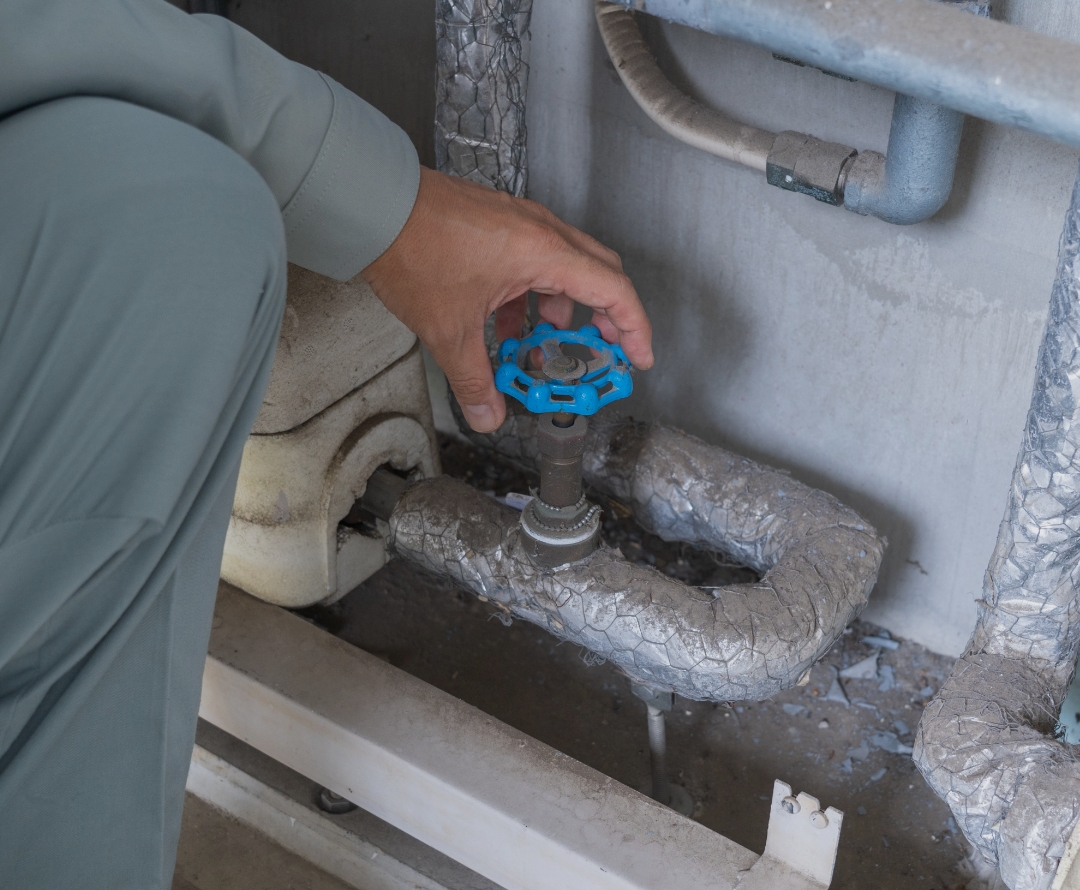
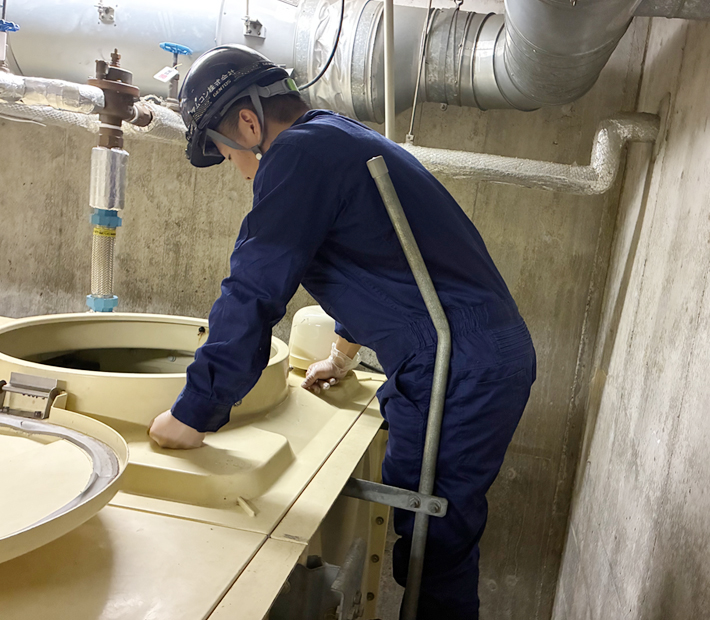
In addition to detailed inspections of water storage tanks and pumps, experienced professionals carefully check the time from operating shutoff valves until water stops, the sound when water flows in, and vibration when water is shut off. We then provide appropriate repair proposals and help maintain the equipment.
Inspection target equipment
- Receiving water tank / Elevated water tank
- Booster water supply system
- Various pumps
Why is water supply system inspection necessary?
Water supply systems are essential lifelines that deliver safe drinking water to building residents and users. The following symptoms may indicate an equipment abnormality.
Warning signs to watch for
- Poor water flow or unstable water pressure
- Red or cloudy water coming from taps
- Abnormal noise or vibration from pumps
- Signs of water leakage around the receiving water tank
If these symptoms are left unresolved, they may develop into problems that affect the entire building, such as water outages or leaks. Periodic inspections help detect abnormalities early and extend the service life of equipment.
How often should water supply system inspections be performed?
The inspection frequency for water supply systems varies depending on the type of equipment and the use of the building.
※You can scroll horizontally to view the table.
| Equipment / Inspection Item |
Recommended Frequency | Notes |
|---|---|---|
| Receiving water tank / Elevated water tank |
1-2 times per year | Building Water Tank Systems are subject to a statutory inspection once a year. |
| Booster water supply pump | At least once a year |
In Tokyo, local ordinances require a periodic inspection once within each one-year period. |
| Water supply pump | 1-2 times per year | Includes checking for abnormal noise and vibration. |
Regardless of whether there is a legal obligation, water supply system problems can directly lead to water outages and deterioration in water quality. We recommend periodic inspections while taking into account building usage conditions and age.
Service 02 Drainage System Inspection
We conduct detailed inspections of drainage tanks and drainage pumps. To prevent serious hygiene issues such as wastewater overflowing from drainage tanks, we carefully remove deposits attached to float switches and also perform alarm activation tests.
Inspection target equipment
- Drainage tank
- Internal condition of drainage pipes
- Sludge treatment equipment
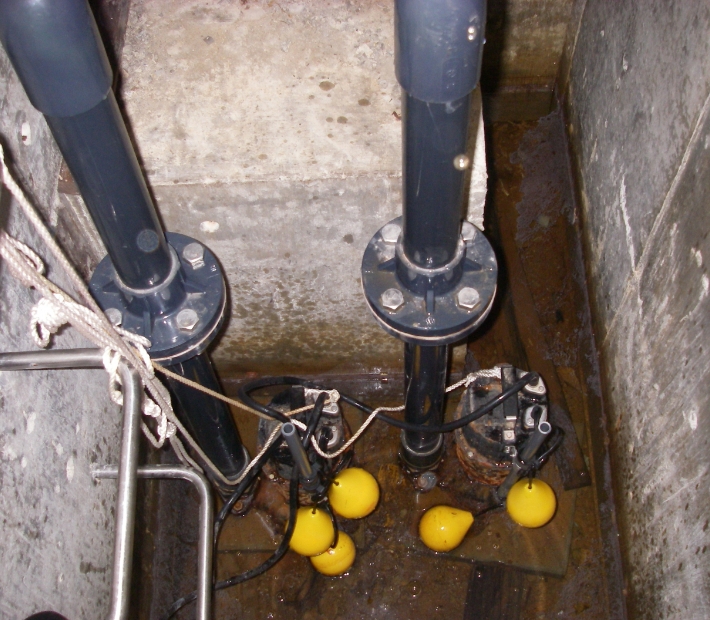
Why is drainage system inspection necessary?
Drainage systems are equipment that properly treats and discharges wastewater and graywater generated from buildings. The following symptoms may indicate an equipment abnormality.
Warning signs to watch for
- Bad odors from drainage tanks
- Unusual operating sounds from drainage pumps
- Frequent high-water alarm activation
- Pests seen around drainage tanks
If these symptoms are left unresolved, they may develop into serious problems such as drainage overflow, backflow, or leakage into shops. Periodic inspections help detect abnormalities early and extend the service life of equipment.
How often should drainage system inspections be performed?
The inspection frequency for drainage systems varies depending on the type of equipment and the use of the building.
※You can scroll horizontally to view the table.
| Equipment / Inspection Item |
Recommended Frequency | Notes |
|---|---|---|
| Drainage tank | 2-4 times per year | Specified buildings are required to clean drainage equipment once every six months or less. *This is mainly the minimum standard applied to specified buildings subject to Japan’s Building Sanitation Law. Cleaning frequency may differ depending on building use and local government guidance. |
| Drainage pump | 2-4 times per year | Includes checking operation of float switches. |
| Inside of drainage pipes | 1-2 times per year | Deterioration diagnosis using camera inspection is also available. |
Regardless of whether there is a legal obligation, drainage system problems can directly lead to hygiene issues such as bad odors, leakage, and pest infestation. We recommend periodic inspections while taking into account building usage conditions and age.
Service 03 Building Water Tank System Inspection (Statutory Inspection)
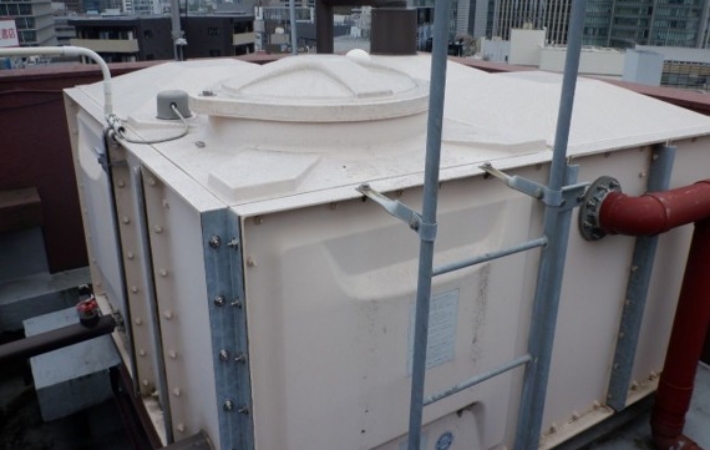
This inspection covers the inside and outside of receiving water tanks, insect screens on vent pipes, manhole sealing, residual chlorine, and other items. It helps prevent the entry of pests and protects clean water. For buildings with a receiving water tank effective capacity exceeding 10 m³, implementation once a year is required under Japan’s Waterworks Law.
Related Page
Service 04 Periodic Inspection of Building Equipment (Statutory Inspection)
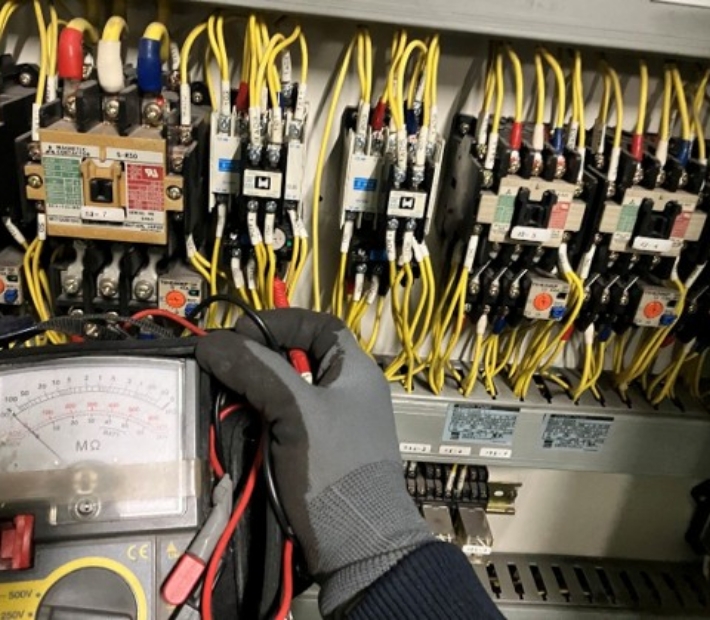
This is a system under Article 12 of Japan’s Building Standard Law that, in principle, requires periodic inspection and reporting once a year. However, the inspection cycle may vary depending on the use and scale of the target building and the designation by the competent administrative authority. Qualified inspectors comprehensively inspect four items: plumbing systems, ventilation equipment, emergency lighting equipment, and smoke exhaust equipment.
Inspection targets
- Plumbing systems
- Ventilation equipment
- Emergency lighting equipment
- Smoke exhaust equipment
Related Page
Service 05 Periodic Survey of Specified Buildings (Statutory Inspection)
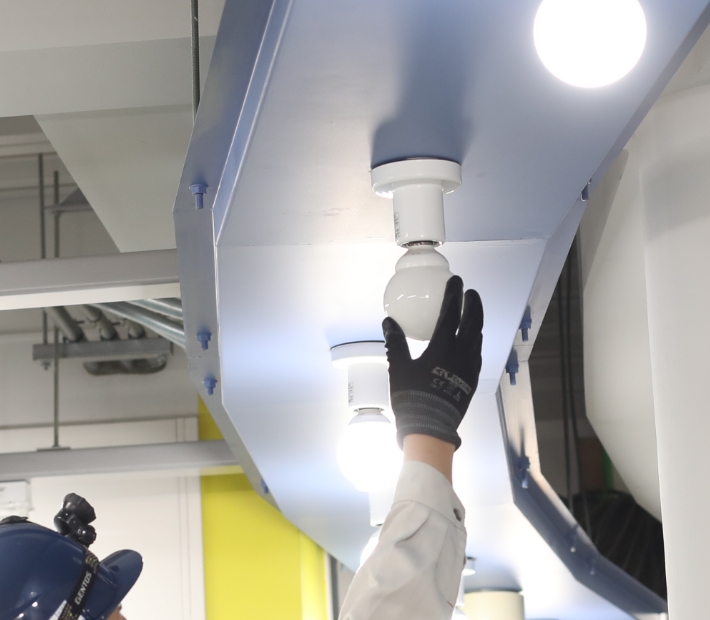
Under Article 12 of Japan’s Building Standard Law, target buildings must undergo periodic surveys and reporting at intervals specified by the competent administrative authority. In practice, periodic surveys of specified buildings are often conducted roughly once every three years, but the target buildings and cycles differ depending on use, scale, and local government designation. Building equipment, fire-prevention equipment, elevators, and similar items are subject to separate periodic inspection and reporting systems under the same article.
Inspection targets
- The building itself and its site
- Areas related to evacuation and fire prevention, such as exterior walls, corridors, and stairs
Service 06 Fire Safety Equipment Inspection (Statutory Inspection)
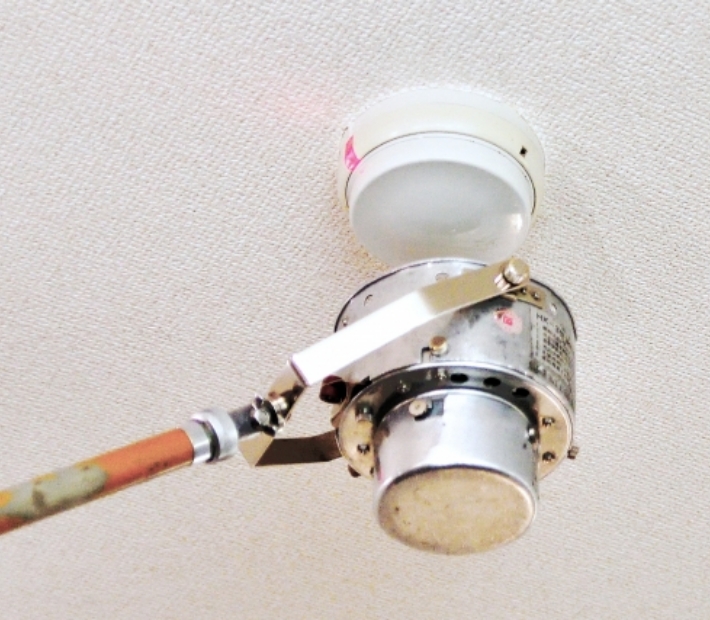
Under Japan’s Fire Service Act, equipment inspections once every six months and comprehensive inspections once a year are required. Fire extinguishers, automatic fire alarm systems, sprinklers, emergency exit lights, and similar equipment protect facility users by operating properly in the event of an emergency.
Note: The cycle for reporting inspection results to the fire department differs depending on the building use (specified fire-prevention property or non-specified fire-prevention property) and is once every year or once every three years.
Inspection targets
- Alarm equipment
- Evacuation equipment
- Fire extinguishing equipment
Service 07 Other Shared Equipment Inspections
We also handle various inspections related to buildings other than plumbing systems.
※You can scroll horizontally to view the table.
| Inspection Item | Details |
|---|---|
| Lighting equipment | Check operation of shared-area lighting fixtures and check deterioration status. |
| Air conditioning equipment | Check operation of air conditioning equipment and filter condition. |
| Meter reading services | Substitute reading of water meters and similar devices. |
| TV antenna | Check reception status and antenna deterioration. |
| Rooftop waterproofing check | Check deterioration of waterproofing layers and clogging of drain openings. |
Service 08 Pest Control
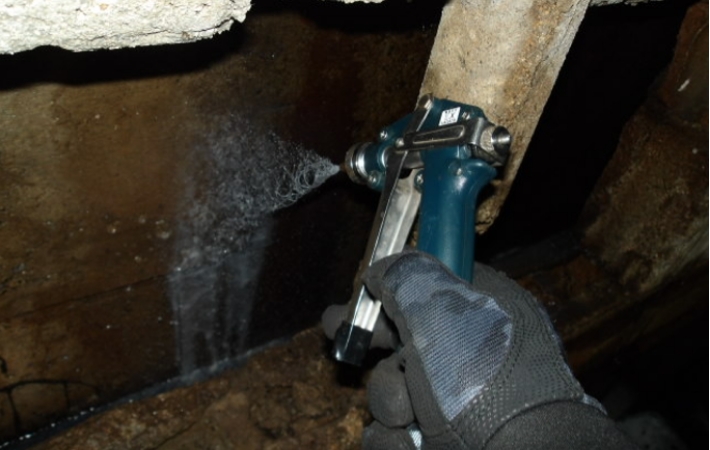
During inspections, hygiene risks such as cockroaches, wasps, and rats can also be checked together. Based on specialist knowledge, we use chemicals to exterminate nuisance pests.
Cases Inspection Case Studies
Case 01 Early Detection of a Collapsed Drainage Pit Through Inspection
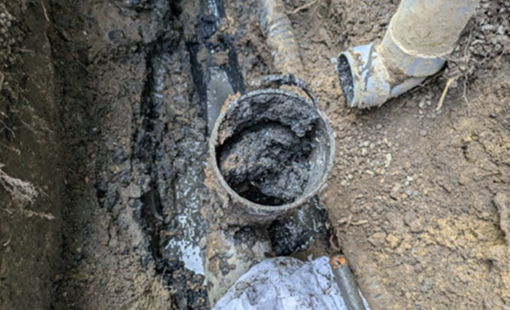
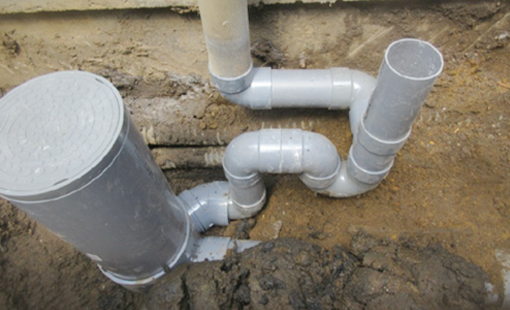
In response to water pooling near the drainage pit and poor drainage, we inspected the exterior and interior, checked water flow conditions, and confirmed the operation of the sewage pump. We identified a collapsed drainage pit and a blockage in the drainage route, and proposed the necessary renovation work. By providing end-to-end support from inspection through construction, we restored the drainage system to normal operation.
Mud Accumulation Inside the Existing Pipe
Installation of New Piping
Flow Flow from Request to Completion
-
01
 Free consultation and estimate
 -
Please tell us about your current inspection status and any management concerns.
-
02
 Inspection plan proposal and estimate
 -
We propose the optimal inspection frequency and details for the condition of your building, while also ensuring legal compliance (free of charge).
-
03
 Contract and schedule coordination
 -
Staff who follow proper manners conduct detailed inspections carefully.
-
04
 Inspection implementation
 -
Staff who follow proper manners conduct detailed inspections carefully.
-
05
 Report submission and improvement proposals
 -
We submit a report with photos. If abnormalities are found, we propose renovation plans as needed. Please feel free to contact us with any questions about the report contents.

- Tokyo — All Areas
-
All 23 Wards
Chiyoda Ward, Chuo Ward, Minato Ward, Shinjuku Ward, Bunkyo Ward, Taito Ward, Sumida Ward, Koto Ward, Shinagawa Ward, Meguro Ward, Ota Ward, Setagaya Ward, Shibuya Ward, Nakano Ward, Suginami Ward, Toshima Ward, Kita Ward, Arakawa Ward, Itabashi Ward, Nerima Ward, Adachi Ward, Katsushika Ward, Edogawa Ward
Other Areas
Machida City, Komae City, Mitaka City, Chofu City, Fuchu City, Tachikawa City, Inagi City, Tama City, Hino City, Kunitachi City, Kokubunji City, Musashino City, Nishitokyo City, Koganei City, Kodaira City, Higashikurume City, Kiyose City, Higashimurayama City, Higashiyamato City, Musashimurayama City, Akishima City, Fussa City, Hamura City, Akiruno City, Hachioji City, Ome City, Nishitama District
- Kanagawa Prefecture — All Areas
-
All Yokohama Wards
Tsurumi Ward, Kanagawa Ward, Nishi Ward, Naka Ward, Minami Ward, Konan Ward, Hodogaya Ward, Asahi Ward, Isogo Ward, Kanazawa Ward, Kohoku Ward, Midori Ward, Aoba Ward, Tsuzuki Ward, Totsuka Ward, Sakae Ward, Izumi Ward, Seya Ward
All Kawasaki Wards
Kawasaki Ward, Saiwai Ward, Nakahara Ward, Takatsu Ward, Miyamae Ward, Tama Ward, Asao Ward
Other Areas
Yokosuka City, Hiratsuka City, Kamakura City, Fujisawa City, Odawara City, Chigasaki City, Zushi City, Miura City, Hadano City, Atsugi City, Yamato City, Isehara City, Ebina City, Zama City, Minamiashigara City, Ayase City, Sagamihara City, Miura District, Koza District, Naka District, Ashigarakami District, Ashigarashimo District, Aiko District
- Chiba Prefecture
-
All Chiba City Wards
Chuo Ward, Hanamigawa Ward, Inage Ward, Wakaba Ward, Midori Ward, Mihama Ward
Other Areas
Urayasu City, Ichikawa City, Narashino City, Funabashi City, Kamagaya City, Matsudo City, Nagareyama City, Kashiwa City
- Saitama Prefecture — All Areas
-
All Saitama City Wards
Nishi Ward, Kita Ward, Omiya Ward, Minuma Ward, Chuo Ward, Sakura Ward, Urawa Ward, Minami Ward, Midori Ward, Iwatsuki Ward
Other Areas
Toda City, Warabi City, Kawaguchi City, Soka City, Yashio City, Misato City, Yoshikawa City, Koshigaya City, Kasukabe City, Wako City, Niiza City, Asaka City, Shiki City, Tokorozawa City, Fujimi City, Fujimino City, Iruma City, Sayama City, Kawagoe City, Ageo City, Okegawa City, Kitamoto City, Konosu City, Kumagaya City, Fukaya City, Honjo City, Gyoda City, Kazo City, Hanyu City, Kuki City, Hasuda City, Shiraoka City, Satte City, Hanno City, Hidaka City, Sakado City, Tsurugashima City, Higashimatsuyama City, Chichibu City, Iruma District, Hiki District, Chichibu District, Kodama District, Osato District, Minamisaitama District, Kitakatsushika District
- Yamanashi Prefecture — All Areas
-
Kofu City, Fujiyoshida City, Tsuru City, Yamanashi City, Otsuki City, Nirasaki City, Minami-Alps City, Hokuto City, Kai City, Fuefuki City, Uenohara City, Koshu City, Chuo City, Nishiyatsushiro District, Minamikoma District, Nakakoma District, Minamitsuru District, Kitatsuru District
- Shizuoka Prefecture
-
Gotemba City
Please feel free to contact us for details about service areas.
FAQ Frequently Asked Questions
- Q Can we switch smoothly from our current inspection company?
- A Yes. If you share your current inspection history and reports, we will ensure a smooth handover.
- Q Can we request only the inspections required by law as a one-off service?
- A Yes. We also accept requests for only the necessary inspections, such as fire safety equipment inspections and periodic inspections of building equipment.
- Q If water service interruption occurs during an inspection, can we leave the handling to you?
- A Yes. If the inspection involves a water service interruption, we will prepare a notice in advance. Upon request, we can also post and distribute the notice for an additional fee.