
Trouble Emergency Response and Trouble Response for Plumbing Systems
- TOP
- Emergency Response and Trouble Response for Plumbing Systems
- Initial Response and Priorities When Emergency Trouble Occurs
- Restoration Response to Water Leakage, Blockages, and Water Outages by Specialized Contractors
- Recurrence Prevention Measures and Cause Analysis After a Trouble Event
- Building a Framework with a Partner to Be Prepared During Normal Times
- The Importance of Day-to-Day Management Systems in an Emergency
- Service List
Emergency Response and Troubleshooting for Plumbing Systems | From Initial Response to Recurrence Prevention
Problems with plumbing systems can occur suddenly and without warning. Situations such as "the water will not stop" or "wastewater is overflowing" not only threaten the daily lives of residents and users, but also affect the asset value of the building and the trust placed in its management.
In such situations, two points are especially important: a fast initial response that minimizes damage, and accurate cause identification to prevent the same problem from recurring. This article organizes the actions that building managers should take in emergencies, the flow of restoration work by specialized contractors, and measures to prevent recurrence.
Index
- Initial Response and Priorities When Emergency Trouble Occurs
- Restoration Response to Water Leakage, Blockages, and Water Outages by Specialized Contractors
- Recurrence Prevention Measures and Cause Analysis After a Trouble Event
- Building a Framework with a Partner to Be Prepared During Normal Times
- The Importance of Day-to-Day Management Systems in an Emergency
- Service List
Initial Response and Priorities When Emergency Trouble Occurs
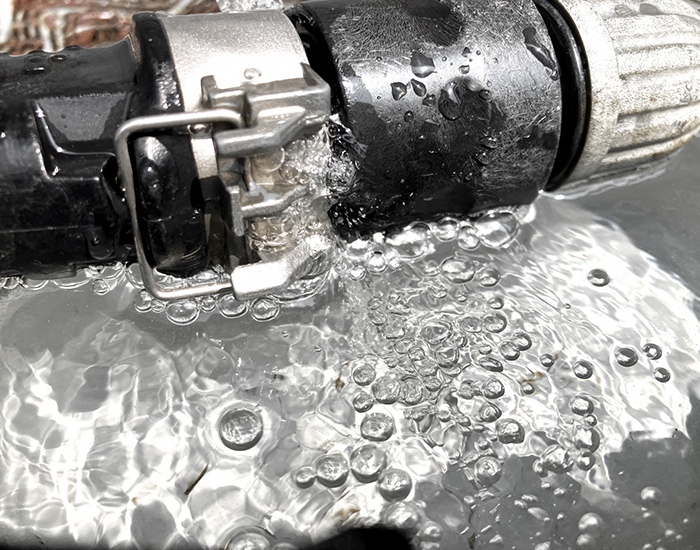
To prevent secondary damage, it is important to prioritize shutting off the water and notifying affected parties until a specialized contractor arrives.
In emergencies such as water leakage, drainage overflow, or water outages caused by pump failures, damage may spread before the contractor arrives, including water infiltration to lower floors, electrical short circuits, and damage to interior materials. How this time is used affects the restoration cost and time required afterward.
Primary Actions That Can Be Taken Before the Contractor Arrives
In the Case of Water Leakage or Drainage Overflow
If the location of the leak has been identified, close the nearby shutoff valve or main valve to stop the flow of water. If the location of the shutoff valve is unknown, do not attempt unreasonable action; contact a specialized contractor promptly.
- Protect the area around the leak with towels or curing sheets to slow water penetration to the floor below
- If there is concern about an impact on electrical systems, turn off the breaker for the relevant area only when safety can be ensured. Avoid operating electrical equipment with wet hands or from flooded areas, and if there is any danger, contact a specialized contractor or the management company
Checking the locations of shutoff valves and main valves in the building during normal times will make the initial response smoother in an emergency.
In the Case of Pump Failure or Water Outage
If a water outage or overflow occurs due to failure of a water supply pump or drainage pump, the operations that the building manager can perform are limited. The most important action is to check the alarm details on the alarm panel and the indications on the control panel, and accurately communicate that situation to a specialized contractor. Unnecessary operation of power to the pump may further damage the equipment, so priority should be given to recording the situation and promptly contacting a contractor.
Notification and Records
Promptly make emergency announcements to residents and users in the affected area, and at the same time record the on-site situation with photos or videos. These records may be useful later when communicating with the contractor to identify the cause, and as documentation for insurance procedures when insurance coverage applies.
Restoration Response to Water Leakage, Blockages, and Water Outages by Specialized Contractors
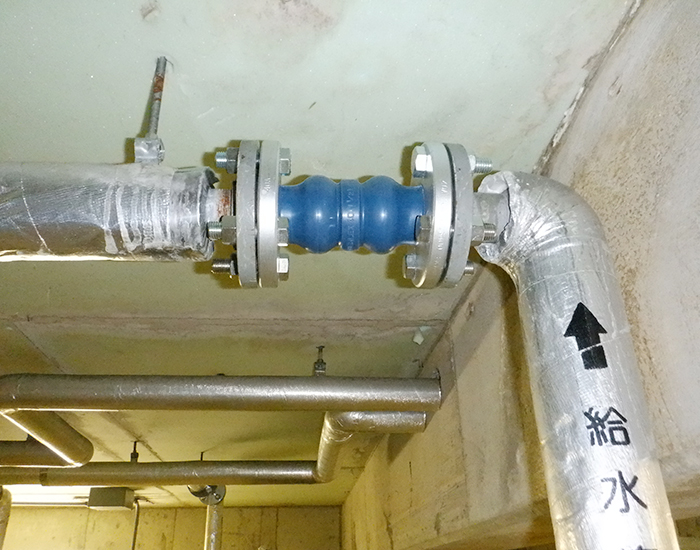
Preventing recurrence requires not only temporarily suppressing the visible symptoms, but also identifying the cause and resolving the problem at its source.
The causes of plumbing system troubles vary. Water leakage is often caused by pipe corrosion, deterioration, or loosened joints. Drainage blockages and overflows are frequently caused by the accumulation of oil, grease, foreign objects, or scale. Water outages caused by pump failures are often associated with age-related equipment deterioration or electrical system problems. When requesting a specialized contractor, it is important to confirm whether the contractor can handle not only emergency measures but also cause investigation.
Main Flow of Restoration Work
Emergency Measures and Clearing Blockages
In the case of water leakage, the contractor stops the water and carries out temporary repair of the damaged area to prevent the spread of secondary damage. For drainage blockages and overflows, a high-pressure washer or a drain cleaning cable machine (wire-type cleaning equipment) is used to clear the blockage and restore flow. In the case of pump failure, the contractor checks the control panel and carries out emergency measures with the aim of restoring the water supply as quickly as possible.
Identifying the Cause
In parallel with emergency measures, or after the measures have been completed, the condition inside the piping is checked. In the case of water leakage, the location and extent of corrosion or cracks are checked. In the case of a blockage, the presence of oil and grease deposits, foreign objects, or poor pipe gradient is checked. If this step is omitted, there is a risk that the problem will recur while the cause remains unresolved. If a more detailed diagnosis of the inside of the piping is required, please consult us separately regarding an inspection using an endoscope camera.
Restoration Confirmation
After the work is completed, water pressure checks, leakage checks, and flow checks are performed to confirm that the system is functioning properly. Having the work details and results compiled into a report with photos makes it easier to explain the situation to owners and condominium management associations.
Recurrence Prevention Measures and Cause Analysis After a Trouble Event
The completion of emergency response is not the "end"; it is the "beginning" of considering permanent countermeasures.
If signs of trouble from the equipment are left unaddressed, more serious situations may occur in the future, such as the need for large-scale piping replacement. It is important to use the information obtained during emergency response in the next maintenance plan.
Measures Based on Cause Analysis
Piping Deterioration Diagnosis
A piping sampling survey of the area where water leakage occurred is used to check the degree of corrosion progress. Whether the deterioration is localized or affects the entire piping system changes the decision between repair and replacement. We recommend consulting us separately for piping deterioration diagnosis as needed.
Reviewing the Cleaning and Inspection Cycle
If there are areas where blockages or overflows occur frequently, the current cleaning cycle may not match the building's usage conditions. In buildings with restaurants or facilities that generate large amounts of oil and grease, a shorter cycle than the standard may be required in some cases.
Preventive Parts Replacement
Aging pumps and valves can be replaced systematically before they fail completely to reduce sudden troubles. Based on the condition check performed during emergency response, it is effective to establish a replacement schedule with clear priorities.
Building a Framework with a Partner to Be Prepared During Normal Times
Having a framework in place during normal times with a contractor that can respond reliably in an emergency is the greatest risk countermeasure for building managers.
AMCON's Emergency Response System

AMCON provides 24-hour, 365-day emergency response for customers who subscribe to the "24-Hour Emergency Maintenance Support + Periodic Inspections" plan. When an emergency occurs, AMCON receives direct reports from the call center and on-site security staff, and our staff understand the situation and provide instructions for an appropriate initial response. We have a system in place to handle everything consistently through to permanent countermeasures.
Trouble Cases That Can Be Handled
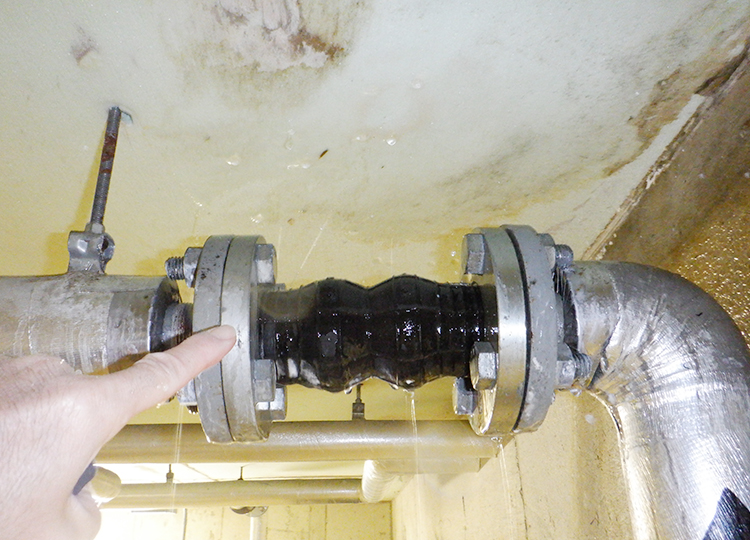
- Water leakage and water leaks (water supply pipes, drainage pipes, around receiving water tanks, etc.)
- Water outage / no water supply
- Drainage blockage, backflow, and overflow
- Failure of water supply pumps and drainage pumps
- Alarm activation for receiving water tanks and drainage tanks
- Other emergencies related to plumbing systems
Features of AMCON's Emergency Response
- Reducing the burden on management companies: There is no need to arrange or coordinate subcontractors. AMCON handles the response consistently
- Not ending with temporary measures: We handle investigation of the root cause and permanent countermeasures
- Detailed reports: We compile the response details into a report with photos, which can be used as explanatory material for owners and condominium management associations
By combining this service with periodic inspections, you can build a system that protects the building from both the prevention of trouble and emergency response. For details, please see the page for the 24-Hour Emergency Maintenance Support + Periodic Inspections service.
The Importance of Day-to-Day Management Systems in an Emergency
To minimize the impact of plumbing system trouble, day-to-day preparation makes a major difference.
- Initial response: Quickly shut off water, notify affected parties, and keep records to prevent secondary damage
- Restoration: Request a contractor that can handle not only emergency measures but also cause investigation
- Recurrence prevention: Use data obtained during emergency response to review plans for cleaning, inspections, and parts replacement
AMCON INC.. has been providing maintenance of plumbing systems for condominiums and buildings for over 40 years, mainly in Tokyo, Kanagawa, Chiba, and Saitama. We have a system in place to provide consistent support, from emergency response to permanent countermeasures and periodic inspections and cleaning to prevent recurrence. If you are considering creating a reliable point of contact for emergencies, please feel free to contact us.
Please check the service area page for details on the areas we serve.
Service List
Renovation Facility Renovation Work
Water Supply and Drainage Pipe Replacement and Rehabilitation
Water Supply System Conversions and Pump Replacement
Water Storage Tank Renewal and Repair, and More
Inspection Various Inspection Services for Apartments and Buildings
Plumbing System Inspections
Statutory Inspections, Including Building Water Tank System Inspections
Common-Area Equipment Inspections
