
Column Plumbing System Inspection
- TOP
- Useful Information
- Plumbing System Inspection
- What Is a Periodic Inspection of Building Equipment? Inspection Details and Inspection Frequency
2024.12.13
What Is a Periodic Inspection of Building Equipment? Inspection Details and Inspection Frequency
Contents
This article introduces periodic inspections of building equipment, including their inspection details and inspection frequency. It also explains why periodic inspections of building equipment are necessary and which equipment in condominiums, office buildings, and similar buildings requires inspection.
What Is a Periodic Inspection of Building Equipment?
A periodic inspection of building equipment is a legally required inspection of building equipment stipulated under Article 12, Paragraph 3 of Japan's Building Standard Law. It is conducted periodically to confirm whether the equipment installed in a building is in a condition that allows it to be used safely and comfortably.
Periodic Inspection of Building Equipment is often confused with the Specified Building Survey, which is stipulated under the same Article 12 of Japan's Building Standard Law, because the names are similar. However, the inspection and survey targets differ. Periodic Inspection of Building Equipment covers the equipment of a building, including plumbing systems and ventilation systems. By contrast, a Specified Building Survey covers the building itself, such as the site, exterior walls, floors and ceilings, roof, evacuation facilities, and other building components.
Conducting periodic inspections of building equipment helps maintain proper building management and preserve the safety and comfort of residents. It also helps prevent unexpected incidents in advance and extend the service life of the building.
Why Periodic Inspection of Building Equipment Is Necessary
Periodic Inspection of Building Equipment is necessary because it reduces deterioration and failure risks and helps provide a consistently stable environment. If equipment is left in an abnormal operating condition, problems such as fire, electrical leakage, and water leakage may occur. Planned inspections are essential to prevent these risks.
| Inspection item | Frequency | Key points |
| Smoke exhaust equipment | Once a year | Check for corrosion and other conditions, installation status, and operational abnormalities |
| Plumbing systems | Once a year | Check for signs of water leakage and clogged pipes |
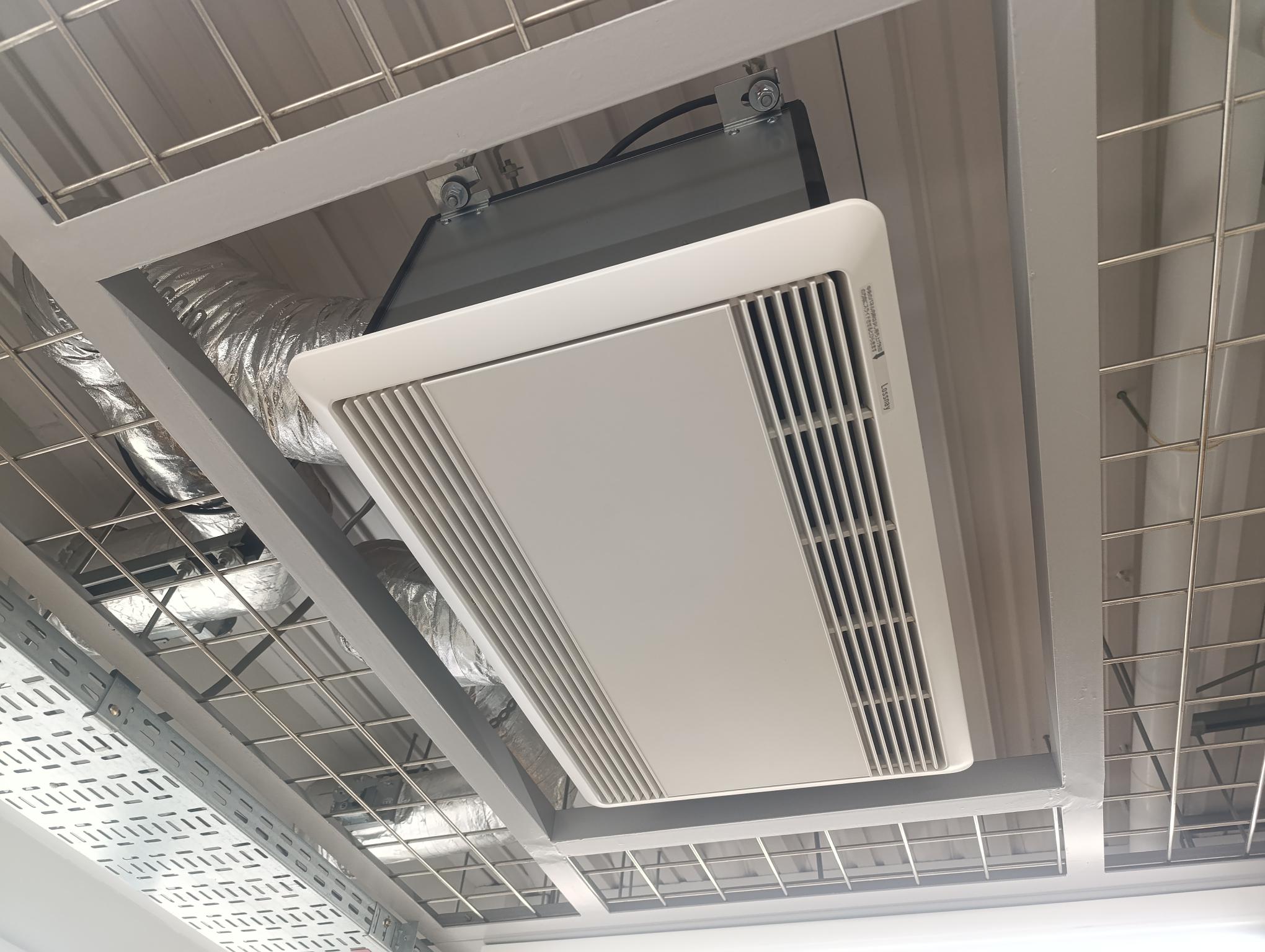
| Ventilation equipment | Once a year | Check for clogged filters and operating noise |
| Emergency lighting equipment | Once a year | Check lighting operation and confirm the minimum required illumination during power outages |
Building Equipment Subject to Inspection
This section introduces the building equipment that is actually subject to periodic inspection.
Smoke Exhaust Equipment
Smoke exhaust equipment is important disaster prevention equipment that discharges smoke generated during a fire outside the building and secures evacuation routes.
When a fire occurs, carbon monoxide is generated, and many people may have heard in the news about fatal accidents caused by carbon monoxide poisoning. Inspection of smoke exhaust equipment is extremely important to prevent such incidents.
1. Inspection targets
- Mechanical smoke exhaust equipment
- Natural smoke exhaust equipment
- Smoke exhaust openings and smoke exhaust windows
- Smoke exhaust fans
- Smoke exhaust ducts
- Control panels
2. Main inspection details
- Opening/closing and operating status of smoke exhaust openings
- Performance of smoke exhaust fans
- Presence or absence of damage or corrosion in smoke exhaust ducts
- Confirmation of interlocked control
- Condition of backup power supply
Plumbing Systems
Plumbing systems are an important element of the living infrastructure inside buildings. This system, which enables the supply of tap water and the safe drainage of used water, is directly linked to people's quality of life.
By maintaining sanitary drinking water and proper drainage functions for building users, these systems help provide a safe and secure living environment. If an inspection is missed and equipment abnormalities are overlooked, building users may end up drinking contaminated water. For this reason, this is an extremely important inspection.
1. Main inspection details for water supply equipment
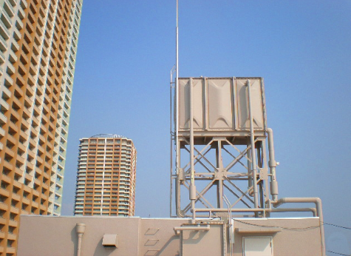
(1) Receiving tanks and elevated water tanks
- Presence or absence of damage or leakage in the tank
- Condition of deterioration of waterproofing materials
- Condition of ventilation pipes and overflow pipes
(2) Water supply pumps
- Confirmation of operating status
- Presence or absence of abnormal noise or vibration
- Confirmation of automatic operation control
(3) Piping equipment
- Presence or absence of leakage or corrosion
- Fixed condition of support hardware
- Operation confirmation of the constant water level valve and similar components of the receiving tank
2. Main inspection details for drainage equipment
(1) Drainage tanks and sewage tanks
- Confirmation of damage to the tank body
- Condition of the waterproofing layer
- Confirmation of clogging in ventilation pipes
(2) Drainage pumps
- Confirmation of operating status
- Operation of float switches
- Confirmation of automatic operation
(3) Drainage pipes
- Presence or absence of leakage or clogging
- Condition of joints
- Condition of ventilation pipes
Ventilation Equipment
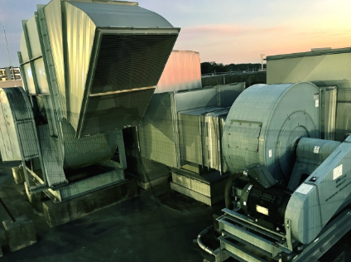
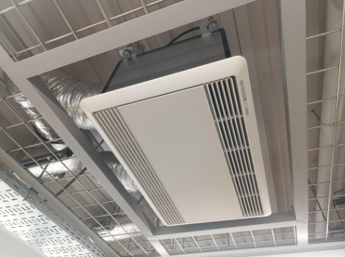
Ventilation equipment is equipment for replacing indoor air, and in principle, installation is required in all buildings. It is important equipment that draws air indoors from outside to keep indoor air fresh. Depending on how the room is used, dust, toxic gases, odors, and similar contaminants may be generated, but ventilation can reduce the concentration of such pollutants.
If ventilation equipment becomes abnormal, carbon monoxide, which is toxic to humans, may not be ventilated, potentially creating a life-threatening situation. For this reason, it is important equipment.
Efficient operation of air conditioning and ventilation also contributes to reduced energy consumption.
1. Equipment subject to inspection
- Mechanical ventilation equipment
- Duct equipment
- Ventilation openings and air intake openings
- Control devices
- Filters
2. Main inspection details for ventilation equipment
(1) Ventilation fans and blowers
- Confirmation of operating status
- Presence or absence of abnormal noise or vibration
- Confirmation of rotation direction
- Measurement of current and voltage values
- Belt looseness and wear
(2) Duct equipment
- Looseness at connection points
- Presence or absence of air leakage or damage
- Fixed condition of support hardware
- Operation confirmation of fire dampers
- Cleaning status
(3) Ventilation openings and air intake openings
- Confirmation of opening and closing functions
- Presence or absence of clogging
- Confirmation of fixed condition
- Presence or absence of damage or corrosion
Emergency Lighting Equipment
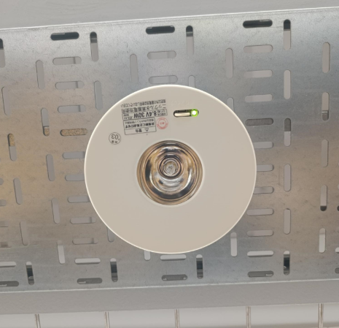
Emergency lighting equipment is lighting equipment that temporarily turns on during power outages caused by disasters or similar events, and is intended to facilitate smooth evacuation in emergencies.
1. Inspection targets
- Emergency lighting fixtures
- Storage battery equipment
- Private power generation equipment (if installed)
2. Main inspection details for emergency lighting equipment
(1) Lighting fixtures
- Confirmation of lighting status
- Damage or corrosion of fixtures
- Installation condition
- Confirmation of switchover to backup power supply
- Illuminance measurement
(2) Batteries
- Capacity confirmation
- Deterioration status
- Charging status
- Confirmation of operating time during emergencies (30 minutes or longer)
How Many Times a Year Should Periodic Inspections of Building Equipment Be Conducted?
For specified buildings, periodic inspection of building equipment is mandatory, and it is important to conduct the inspection at an appropriate frequency.
Legally Required Inspection Frequency and Reporting
Under Article 12, Paragraph 3 of Japan's Building Standard Law, specified buildings are, in principle, legally required to observe an inspection and reporting frequency of once a year.
In addition, the frequency and inspection items may differ depending on the specific facility and its use. Details, including the buildings subject to inspection, the submission destination for reports, and submission methods, should be confirmed with the relevant specified administrative agency.
Benefits of Maintaining the Inspection Frequency
Conducting periodic inspections at the legally required frequency and at appropriate intervals beyond that can help extend equipment service life and reduce costs. Because sudden failures can be prevented and worn parts can be replaced early, maintenance costs can be reduced over the long term.
Reducing the risk of accidents and breakdowns also helps provide facility users with a safe and secure environment.
Cost of Periodic Inspection of Building Equipment
When conducting periodic inspections of building equipment, it is important to carefully consider the cost. Understanding the cost aspects in advance allows inspections to proceed in a planned manner.
Average Inspection Cost
The cost of periodic inspection varies depending on many factors, but the scale of the building and the types of installed equipment are particularly important. Large commercial facilities and high-rise buildings tend to have a wider variety of equipment, which often increases the cost.
The following general cost estimates for Article 12 inspections under Japan's Building Standard Law vary depending on the scale and equipment of the building. Because the actual cost may exceed the listed prices, we recommend always conducting a preliminary survey and obtaining a quotation in advance.
| Total floor area | Apartment buildings, etc. | Office and tenant buildings, etc. |
| Up to 1,000 m2 | Approx. JPY 30,000-50,000 | Approx. JPY 40,000-65,000 |
| 1,001 m2-2,000 m2 | Approx. JPY 35,000-65,000 | Approx. JPY 50,000-75,000 |
| 2,001 m2-3,000 m2 | Approx. JPY 40,000-75,000 | Approx. JPY 60,000-85,000 |
| 3,001 m2 and above | Approx. JPY 70,000 and above | Approx. JPY 80,000 and above |
Frequently Asked Questions
Here are some frequently asked questions about periodic inspections of building equipment.
Are there penalties for not conducting periodic inspections?
Because this is a legally required inspection, penalties will apply if it is not conducted. The details of the penalties are stated in Japan's Building Standard Law as follows.
Article 101: "A person who falls under any of the following items shall be punished by a fine of not more than JPY 1,000,000." Item 2: A person who fails to submit a report under Article 12, Paragraph 1 or Paragraph 3, or submits a false report.
Source: Japan's Building Standard Law
What building conditions make a building subject to periodic inspection?
The buildings subject to inspection vary depending on the use of the building, but generally include buildings of a certain scale or larger where the floor area used for the relevant purpose is 200 m2 or more. Inspection targets are categorized mainly according to (1) building use, (2) building scale, and (3) conditions set by each specified administrative agency.
Details can be confirmed on the website of each specified administrative agency.
Summary
This article introduced what types of inspections are included in periodic inspections of building equipment and how frequently inspections should be conducted. Periodic Inspection of Building Equipment is required by law and is an important inspection for ensuring building safety. Conducting regular inspections makes it possible to detect defects at an early stage and helps prevent serious accidents.
Maintaining the inspection frequency can also help extend the service life of equipment and reduce maintenance costs. We hope this article will encourage you to consider consulting our company about periodic inspections of building equipment.
